
The police complaints system underwent significant changes with the Policing and Crime Act 2017. These changes applied to complaints made on or after 1 February 2020. They aimed to simplify the complaints process and improve efficiency. However, these adjustments have sparked debate about transparency and accountability. Critics argue that the new system may obscure critical information from the public.
Changes Introduced by the Policing and Crime Act 2017
The Policing and Crime Act 2017 allowed police to manage complaints either inside or outside Schedule 3 of the Police Reform Act 2002. Schedule 3 outlines formal procedures for recording, investigating, and resolving complaints. Handling complaints outside Schedule 3 allows for a more informal approach. Under the new system, the police can resolve complaints through local resolutions and service recovery methods. These methods aim to provide quicker resolutions without formal investigations.
While this approach intends to reduce bureaucracy, it raises questions about diminished transparency and accountability in the complaints process.
The Implications of Handling Police Complaints Outside Schedule 3
Handling complaints outside Schedule 3 may not make it immediately clear that this informal process lacks oversight. The informal handling of police complaints can lead to several concerns:
- Lack of Right to Appeal: When a police complaint is resolved outside Schedule 3, individuals may not have an automatic right to appeal. This right is crucial for ensuring accountability and fairness in the complaints process. Ordinarily, complainants receive clear information about their right to appeal and how to exercise it. However, in the informal process, this right is not guaranteed, potentially leaving complainants without recourse if dissatisfied with the outcome.
- Insufficient Communication: The police may not explicitly inform complainants that they can request more formal handling of their complaints. Formal handling would then afford them the right to appeal. This lack of transparency can prevent individuals from understanding their full rights and options. Consequently, they may be unable to make informed decisions about how to proceed with their complaints.
- Potential for Reduced Oversight: By resolving complaints informally, there is a risk that critical issues may not receive the scrutiny they deserve. This approach could lead to a perception that the police focus more on minimizing complaints than addressing them comprehensively. Ultimately, this may undermine public trust in the police complaints system.
Concerns About the Simplicity of the Police Complaints System
While the simplified system intends to enhance efficiency, it raises concerns about reducing appeals and formal investigations. By resolving complaints informally, the police may limit the number of cases subject to independent review. This limitation could lead to a lack of accountability for serious issues.
The Need for Greater Transparency and Clarity in the Complaints Process
To address these concerns, the police must provide clear information to complainants about their rights and options. This includes informing individuals that they can request formal handling of their complaints and explaining the implications of choosing an informal resolution. Additionally, there should be greater oversight and monitoring of the complaints process to ensure that it operates transparently and effectively. Independent bodies should review the handling of complaints, ensuring the system remains accountable and responsive to public concerns.
Conclusion
The changes introduced by the Policing and Crime Act 2017 aim to streamline the police complaints process. However, they also raise important questions about transparency and accountability. While simplifying the system may have benefits, it is essential to protect complainants’ rights and not obscure critical information. By enhancing transparency and oversight, the police can build public trust and ensure the complaints system functions effectively for all.


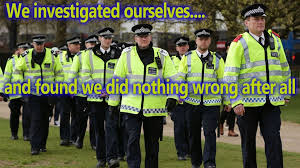
currently using the police complaints system partially upheld by mayoral review Police still did not answer lots of evasion and whitewash have approached our MP total waste of public money and the complainants time, a continuous merry go round looks like its going to be on your website for all to see,